Your Personal Health Protection Plan: Preventing Illness Effectively
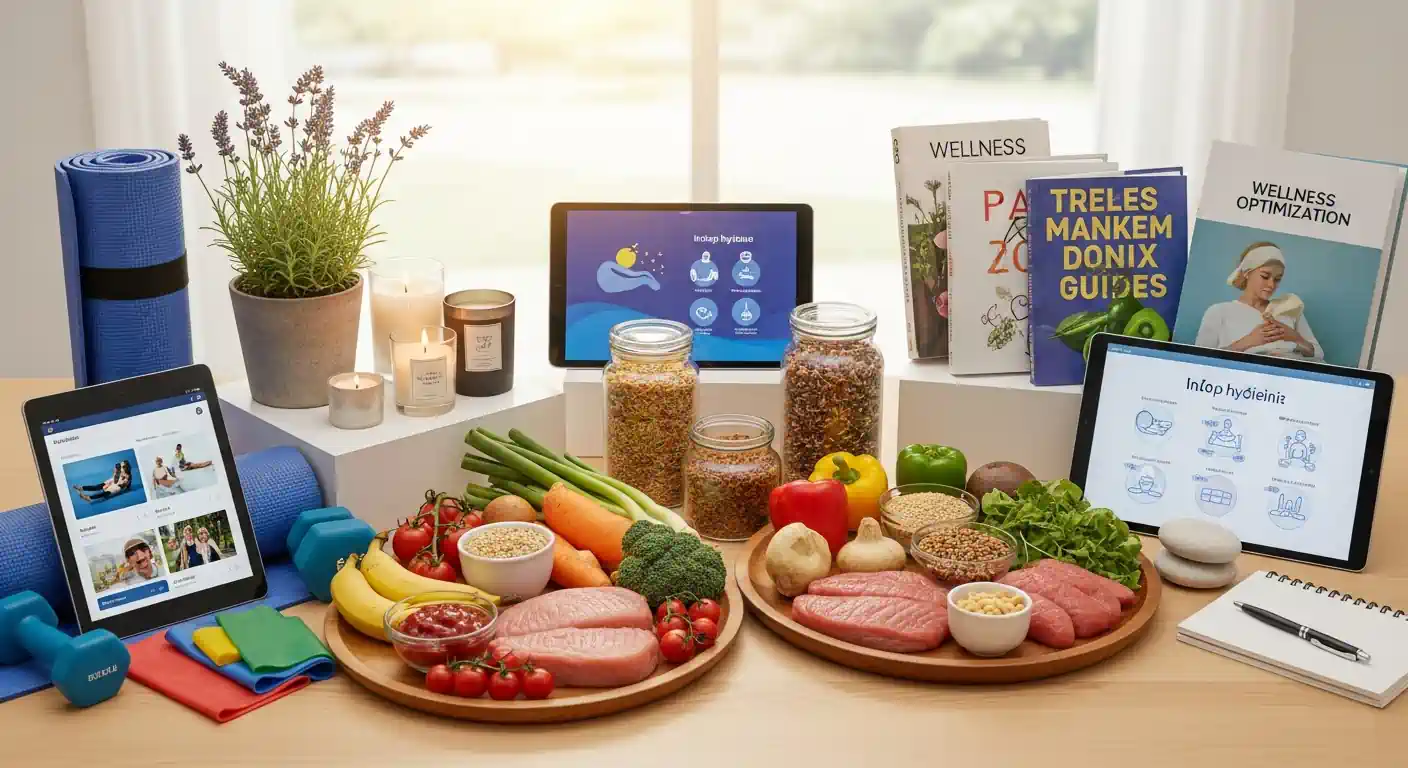
Taking Control: Your Personal Health Protection Plan for Effective Illness Prevention
In today's fast-paced world, proactively safeguarding our health is no longer a luxury but a necessity. Developing a robust personal health protection plan is the most effective way to prevent illness and foster long-term well-being. It's about shifting from a reactive approach to a proactive strategy, empowering you to take charge of your health journey. This comprehensive plan acts as your shield against a myriad of health challenges, from common infections to chronic diseases. By understanding and implementing key lifestyle modifications, you can significantly reduce your risk and enhance your overall quality of life.
This guide will walk you through the essential components of building and maintaining your personalized health protection strategy. We will explore evidence-based practices and actionable steps to help you live a healthier, more resilient life.
Key Points:
- Proactive Prevention: Shifting from reacting to illness to actively preventing it.
- Holistic Approach: Integrating diet, exercise, sleep, and stress management.
- Regular Check-ups: Crucial for early detection and timely intervention.
- Mind-Body Connection: Understanding the impact of mental health on physical well-being.
- Continuous Improvement: Adapting your plan as your needs and life circumstances evolve.
Building Your Personal Health Protection Plan: A Multi-Faceted Strategy
A truly effective personal health protection plan is not a one-size-fits-all solution. It's a dynamic blueprint tailored to your individual needs, genetics, lifestyle, and environment. The foundation of any strong plan rests on several pillars, each contributing to a robust defense against illness. We will delve into these core areas, providing practical advice and highlighting their importance in your overall health strategy.
The Cornerstones of Illness Prevention
Preventing illness effectively requires a commitment to several fundamental lifestyle choices. These are not merely suggestions; they are the bedrock upon which a healthy life is built.
1. Nourishing Your Body: The Power of Optimal Nutrition
What you eat has a profound impact on your immune system and your body's ability to fight off disease. A balanced diet rich in whole foods is essential for providing the nutrients your body needs to function optimally.
- Embrace Whole Foods: Prioritize fruits, vegetables, lean proteins, and whole grains. These foods are packed with vitamins, minerals, antioxidants, and fiber, all vital for immune function and disease prevention.
- Hydration is Key: Drinking enough water throughout the day is crucial for cell function, nutrient transport, and waste removal. Aim for at least 8 glasses of water daily.
- Limit Processed Foods: Reduce your intake of sugar, unhealthy fats, and artificial ingredients found in many processed and pre-packaged foods. These can contribute to inflammation and chronic health issues.
- Consider Gut Health: A healthy gut microbiome is linked to a stronger immune system. Incorporate probiotic-rich foods (like yogurt, kefir, kimchi) and prebiotic fibers (found in onions, garlic, bananas). For more information on this topic, readers can explore related articles on gut health.
2. Moving Your Body: The Vitality of Regular Physical Activity
Regular exercise is a powerful tool for preventing illness. It strengthens your cardiovascular system, improves mood, aids in weight management, and boosts immune function.
- Find Activities You Enjoy: Whether it's brisk walking, swimming, dancing, or cycling, consistency is more important than intensity. Aim for at least 150 minutes of moderate-intensity aerobic activity per week.
- Incorporate Strength Training: Building muscle mass helps boost your metabolism and supports overall health. Aim for strength training exercises at least two days a week.
- Stay Active Daily: Look for opportunities to move throughout the day. Take the stairs, walk during breaks, or do some stretching.
- Listen to Your Body: Avoid overexertion and allow for rest and recovery.
3. Restful Sleep: The Foundation of Recovery and Immunity
Adequate, quality sleep is when your body repairs itself, consolidates memories, and strengthens your immune system. Chronic sleep deprivation can significantly impair your health.
- Establish a Sleep Schedule: Go to bed and wake up around the same time each day, even on weekends, to regulate your body's natural sleep-wake cycle.
- Create a Relaxing Bedtime Routine: Engage in calming activities before bed, such as reading, taking a warm bath, or gentle stretching.
- Optimize Your Sleep Environment: Ensure your bedroom is dark, quiet, and cool. Invest in a comfortable mattress and pillows.
- Limit Screen Time Before Bed: The blue light emitted from electronic devices can interfere with melatonin production, making it harder to fall asleep.
4. Managing Stress: Cultivating Resilience and Well-being
Chronic stress can weaken your immune system, making you more susceptible to illness. Learning effective stress management techniques is a critical part of your personal health protection plan.
- Mindfulness and Meditation: Practicing mindfulness or meditation regularly can help calm the mind and reduce stress hormones.
- Deep Breathing Exercises: Simple deep breathing techniques can provide immediate relief from feelings of anxiety and stress.
- Engage in Hobbies: Pursuing enjoyable activities can be a great way to de-stress and recharge.
- Seek Social Support: Connecting with friends, family, or support groups can provide emotional comfort and reduce feelings of isolation. For more information on this topic, readers can explore related articles on stress management techniques.
Advanced Strategies for Enhanced Health Protection
Beyond the foundational pillars, several advanced strategies can further fortify your personal health protection plan. These often involve integrating more nuanced approaches to health and leveraging technological advancements.
The Role of Preventive Screenings and Vaccinations
Regular medical check-ups and screenings are non-negotiable components of effective illness prevention. They allow for the early detection of potential health issues when they are most treatable.
- Scheduled Doctor Visits: Don't wait until you're sick to see your doctor. Regular physicals, dental check-ups, and eye exams are crucial.
- Understand Recommended Screenings: Discuss with your healthcare provider which screenings are appropriate for your age, gender, and family history. This can include blood pressure checks, cholesterol tests, cancer screenings, and more.
- Stay Up-to-Date on Vaccinations: Vaccinations are one of the most effective ways to prevent infectious diseases. Ensure you and your family are up-to-date on recommended immunizations. A report from the World Health Organization (WHO) in 2024 highlighted the continued importance of vaccination programs in global disease prevention.
Differentiated Value: Embracing a Preventative Mindset with Latest Insights
While the core principles of health are well-established, staying informed about the latest research and trends can offer a significant edge in illness prevention. This includes understanding the growing body of evidence around the gut-brain axis and the impact of environmental factors.
- The Gut-Brain Connection: Emerging research, notably highlighted in a 2025 publication in Nature Medicine, emphasizes the intricate communication between the gut microbiome and brain health. A balanced gut can positively influence mood, stress response, and even cognitive function, contributing to overall resilience against illness. Prioritizing gut health is thus an advanced preventative measure.
- Environmental Health Awareness: Recognizing how our environment impacts our health is increasingly important. This includes understanding the effects of air quality, exposure to toxins, and the benefits of spending time in nature. A 2024 study from the Harvard T.H. Chan School of Public Health pointed to the significant health benefits of biophilic design and increased green space exposure. Integrating this awareness into your plan means making conscious choices about your living and working environments.
Personalizing Your Protection: Genetics and Lifestyle Synergy
Understanding your genetic predispositions can provide valuable insights for tailoring your personal health protection plan. While genes don't dictate destiny, they can inform your risk factors.
- Genetic Testing (with caution): If considering genetic testing, consult with a healthcare professional to interpret results responsibly. This can help identify potential risks for certain conditions, allowing for more targeted preventative strategies.
- Lifestyle as the Great Equalizer: It's crucial to remember that even with genetic predispositions, a healthy lifestyle can significantly mitigate risks. For example, individuals with a genetic predisposition to heart disease can drastically lower their risk through diet, exercise, and stress management. This emphasizes the powerful role of personal choices in shaping health outcomes.
Frequently Asked Questions About Personal Health Protection
Here are answers to common questions about creating and maintaining your health protection plan.
Q1: How often should I update my personal health protection plan? Your plan should be a living document. Review and update it at least annually, or whenever significant life changes occur (e.g., new job, starting a family, changes in health status). This ensures it remains relevant and effective.
Q2: Is it too late to start a health protection plan if I have existing health conditions? Absolutely not. It is never too late to prioritize your health. A personal health protection plan can be instrumental in managing existing conditions, preventing complications, and improving your overall quality of life, even with pre-existing health challenges.
Q3: What are the most common mistakes people make when creating a health plan? Common mistakes include being unrealistic with goals, focusing on only one aspect of health (like diet alone), lacking consistency, and not seeking professional guidance. A balanced, sustainable, and personalized approach is key.
Q4: How can I stay motivated to stick to my health protection plan? Motivation often comes from understanding your "why," setting achievable goals, tracking your progress, rewarding yourself, and finding accountability partners. Celebrating small victories can also help maintain momentum over time. For more information on this topic, readers can explore related articles on building healthy habits.
Your Health, Your Plan: Taking the Next Steps
Implementing a personal health protection plan is an ongoing journey, not a destination. It requires dedication, self-awareness, and a commitment to making your well-being a priority. By embracing a proactive approach, focusing on the pillars of nutrition, exercise, sleep, and stress management, and staying informed about the latest health insights, you empower yourself to lead a healthier, more fulfilling life.
Don't wait for illness to strike. Start building your personalized shield today.
What are your biggest challenges in creating or maintaining a health protection plan? Share your thoughts in the comments below!
Ready to take your health to the next level? Consider subscribing to our newsletter for regular updates on health and wellness tips, or explore our related articles on lifestyle-based disease prevention for more in-depth information.
Expandable Subtopics for Future Exploration:
- The impact of specific micronutrients on immune function and their role in illness prevention.
- Advanced stress-reduction techniques and their physiological benefits.
- Personalized nutrition strategies based on genetic profiles and microbiome analysis.
- The role of environmental toxins in chronic disease and preventative measures.